

Turning academic research into a viable biotech company is both an exciting and daunting endeavor. While groundbreaking science may be born in the lab, commercial success requires a different mindset, set of skills, and strategic planning. At CALIIRA, we specialize in helping scientists make the leap from academic discovery to industry innovation. Here’s what researchers should know when transitioning into the biotech startup world.
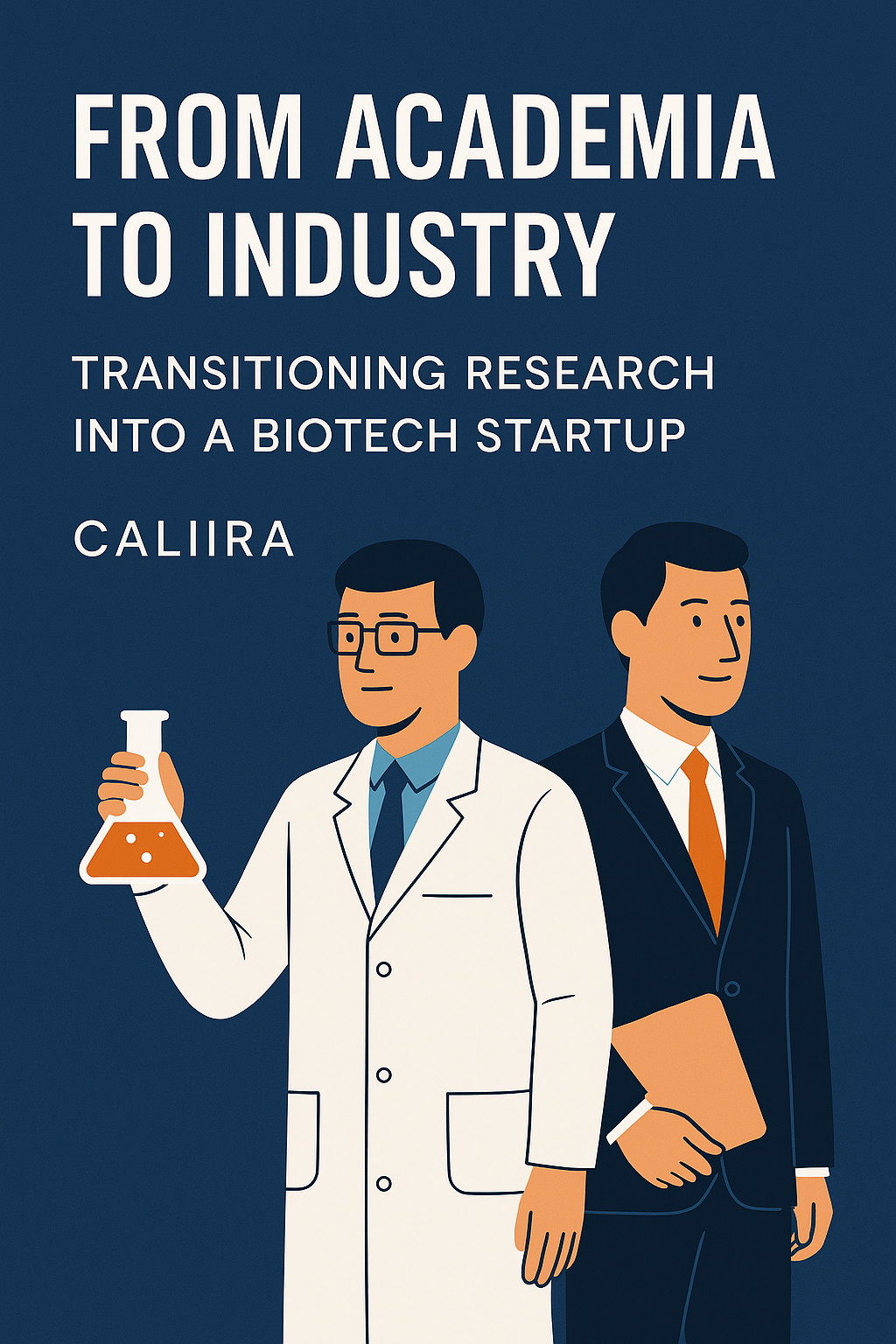
1. Understand the Difference Between Discovery and Development
In Academia: The focus is on exploration, publishing results, and expanding knowledge.
In Industry: The goal shifts to translating that knowledge into products that are safe, scalable, and market-ready.
Key Takeaway: Founders must learn to prioritize decisions that enable product development over academic curiosity, even if that means narrowing the scope of research.
2. Build a Cross-Functional Team Early
Brilliant science alone doesn’t build a company. Early-stage startups need expertise across regulatory affairs, clinical development, business development, and operations.
How to Start:
Surround yourself with advisors and consultants who bring industry experience.
Partner with experts who can help you avoid costly missteps in manufacturing, regulatory strategy, and clinical planning.
3. Protect Your Intellectual Property
Academic inventors often overlook the importance of IP strategy. Without clear patent protection, your biotech venture may never attract investment or commercial interest.
What to Do:
Work closely with your university’s tech transfer office.
File patents early and often, and engage an experienced biotech IP attorney if possible.
4. Learn the Language of Investors
VCs and strategic partners don’t fund great science—they fund strong business opportunities. You’ll need to craft a narrative that highlights not only your technology, but also its commercial potential, regulatory path, and market differentiation.
Tip:
Prepare a pitch that’s understandable to non-scientists. Be ready to explain why your solution matters, how it’s better than current options, and what milestones you’ll hit next.
5. Shift Your Mindset from Principal Investigator to CEO (or Find One Who Can)
Many academic founders struggle with the demands of running a company. Fundraising, operations, team management, and board relations can pull you away from the bench.
Consider:
Taking on a CSO or scientific founder role and hiring a seasoned biotech CEO.
Enrolling in startup accelerators or executive training programs tailored for scientists.
Conclusion
Bridging the gap between academia and industry takes more than innovation—it takes vision, structure, and strategic guidance. At CALIIRA, we help scientific founders navigate this transformation by bringing clarity to every stage of early development.
Have a discovery you’re ready to take beyond the lab?
Contact CALIIRA to learn how we can help you build a biotech startup from the ground up.